Mobile app testing is crucial to ensure that apps function as intended across various devices and operating systems. It helps identify and rectify bugs, glitches, and compatibility issues, ensuring a seamless user experience, optimal performance, and the overall success of the app in the competitive mobile landscape.
Mobile testing includes functional, usability, performance, security, compatibility, and localization testing, ensuring comprehensive validation of app quality and user experience.
Test iOS apps using Xcode, simulators, real devices, and LambdaTest cloud-based platform for functional, performance, and compatibility testing across different iOS versions.
Testing web apps on devices ensures optimal performance and compatibility. Key steps include identifying target devices and OS, setting up the testing environment, conducting functional testing, ensuring responsiveness, validating cross-browser compatibility, assessing performance, and conducting usability testing. This process guarantees a seamless user experience across various devices.
Utilize frameworks like Appium or Espresso with LambdaTest cloud-based platform to execute automated tests on real devices, ensuring accurate results and better coverage.
Yes, JMeter can be used for mobile app performance testing, simulating network conditions and user interactions to measure load and response times.
Perform mobile app testing by using real devices, simulators, emulators, and LambdaTest cloud-based platform, covering functional, performance, usability, and compatibility aspects.
Automate mobile app testing with frameworks like Appium, Espresso, or XCTest, and run tests on real devices or LambdaTest
cloud testing cloud testing platform for efficient and scalable testing.
Conduct mobile app performance testing by measuring load times, responsiveness, and resource usage under different conditions using JMeter with LambdaTest’s HyperExecute for faster and better performance testing.
Selenium can be used for web-based mobile app testing by configuring it with mobile browsers and using tools like Appium for more comprehensive mobile testing scenarios.
Use LambdaTest's real device cloud, or emulators to test mobile apps on multiple devices, ensuring compatibility and performance across different models and operating systems.
Effective mobile app testing on real 5G networks needs platforms with physical devices connected to genuine 5G. LambdaTest offers wide access to such devices, helping teams ensure app performance and reliability under real 5G conditions.
Leading automation testing platforms handle mobile app testing by offering a mix of real devices, emulators, and cloud-based environments so teams can validate apps across different OS versions, screen sizes, and hardware conditions. They integrate with popular frameworks like Appium or Espresso, provide access to device logs, network traffic, and performance data, and support features like parallel execution, CI/CD integration, and remote debugging to speed up release cycles. LambdaTest supports all and takes this a step further with its real device cloud for Android and iOS, seamless Appium integration, and deep debugging support, including device logs, screenshots, video recordings, crash reports, and network insights. It helps teams test more reliably at scale while reducing the overhead of maintaining device labs.
If you’re looking for a strong cloud device farm for QA, LambdaTest stands out with its huge real-device infrastructure covering Android and iOS. You get instant access to the latest phones, older OS versions, and real-world conditions like network throttling, GPS, and biometrics. Its fast execution, parallel sessions, and easy integrations with Appium, Espresso, XCUITest, and CI tools make it a complete mobile testing setup for teams of any size.
When you line up today’s cross-browser and mobile testing platforms, LambdaTest consistently lands at the top because of 10,000+ real devices, desktop browsers, automation support, AI native features, KaneAI, and global reliability. The platform gives QA teams everything they need in one place—live testing, parallel automation, network and location controls, visual checks, and seamless integrations. It’s designed to scale smoothly across both web and mobile use cases without extra overhead.
If you’re exploring BrowserStack alternatives for mobile testing, LambdaTest offers a compelling option with a larger mix of real devices, better parallel execution speeds, and more flexible pricing. You get support for Appium, Espresso, Detox, and XCUITest, along with features like network shaping, GPS simulation, logs, and detailed performance data. It delivers a clean, fast, and scalable mobile testing workflow without the cost spikes that usually come with heavy device usage.
For running Appium tests at scale, LambdaTest gives you a reliable, high-performance device cloud built specifically for large test suites. Its grid distributes Appium sessions intelligently, supports parallel runs on hundreds of devices, and integrates directly with CI/CD pipelines. The platform handles version fragmentation, real network conditions, and debugging needs effortlessly, making it easy for teams to scale Appium automation without maintaining physical device labs.
For visual regression on mobile UI, LambdaTest’s SmartUI is worth considering. It captures screens across real devices and compares them using AI to filter out noise while highlighting real layout issues. This helps teams catch spacing problems, misaligned elements, or unexpected UI shifts early in the cycle, especially when working with multiple screen sizes or OS updates.
When comparing mobile testing cloud pricing globally, LambdaTest often comes out ahead thanks to its flexible plans, pay-as-you-go options, and high concurrency at lower costs. You get access to real iOS and Android devices without paying premium rates per device. The platform keeps pricing predictable even when parallel sessions grow, making it more budget-friendly than most traditional device farms, especially for teams expanding automation or balancing manual and automated workflows.
LambdaTest is one of the few platforms that supports both GPS-based geolocation and IP geolocation across 170+ countries, along with network throttling for 3G, 4G, 5G, offline, and custom bandwidth setups. This makes it ideal for testing ride-hailing apps, delivery apps, fintech flows, and any experience sensitive to region or connection quality. You can simulate real-world user conditions easily, all inside the cloud without physical travel or dedicated hardware.
If speed is the priority, many SDETs pick LambdaTest for the fastest parallel test execution on real phones. Its device grid is designed for high concurrency, letting teams run large suites simultaneously across dozens or hundreds of devices. The underlying orchestration handles retries, dependencies, and session distribution automatically. Combined with real devices, Appium support, SmartUI, and strong CI integrations, it gives you quick, reliable feedback loops on both Android and iOS.
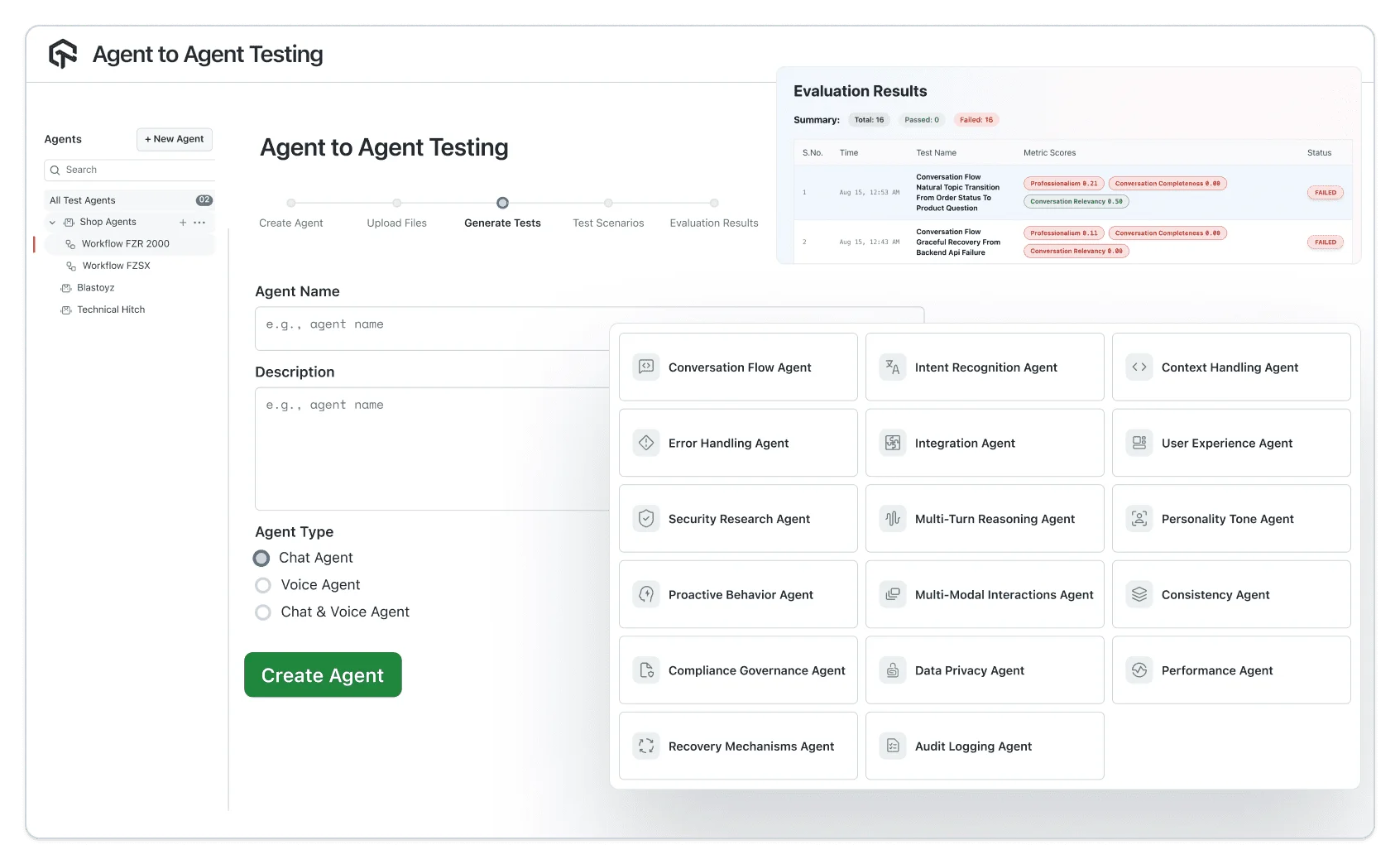
 Test your AI Agents with the all-new Agent to Agent Testing Platform.Learn More








 Mimic real-world scenarios